
Home Interior Design Ideas: Transform Your Dream Home with Modern & Functional Interiors
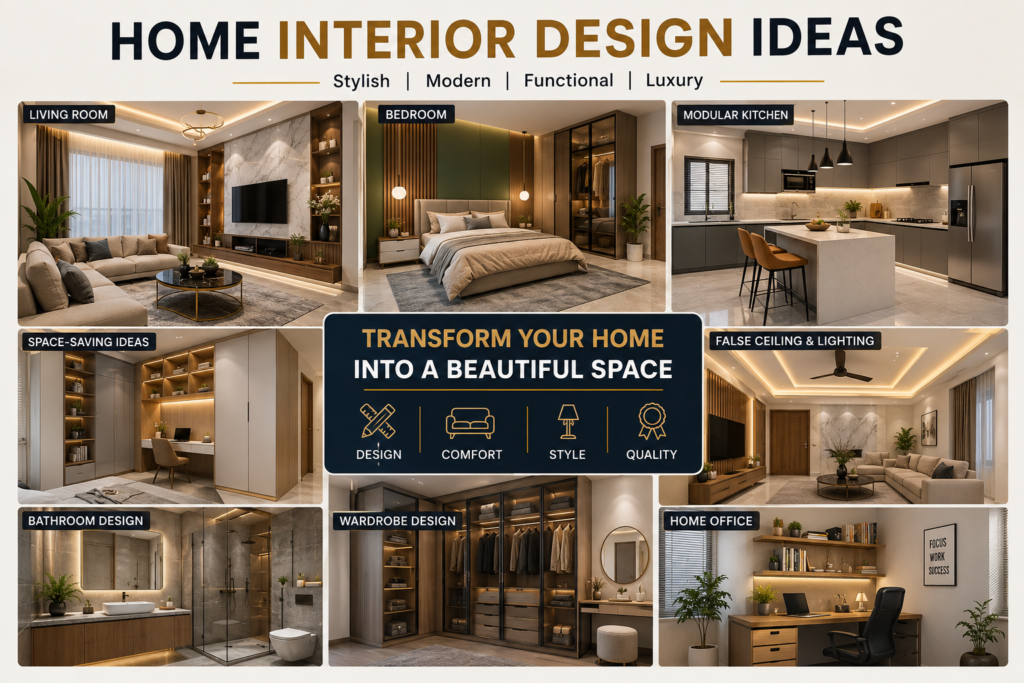
A home is more than just four walls — it is a reflection of your personality, lifestyle, and comfort. In today’s modern world, homeowners are focusing not only on beautiful spaces but also on smart functionality, comfort, and luxury. Whether you own a compact apartment or a spacious villa, the right interior design can completely transform the way your home looks and feels. With changing trends in 2026, home interior design has become more creative, minimal, and practical. From modular kitchens and elegant bedrooms to luxurious living rooms and smart storage solutions, every corner of the house now plays an important role in enhancing everyday living. At Design Lense, we believe that great interiors should combine aesthetics with functionality. In this guide, we will explore the best home interior design ideas that can help you create a stylish, comfortable, and modern living space. Why Interior Design Is Important for Every Home Interior design is not just about decoration. A properly designed home improves the overall quality of life by making spaces more organized, comfortable, and visually appealing. Good interiors help maximize available space, improve lighting, increase storage efficiency, and create a relaxing atmosphere. Modern homeowners are now investing in interiors because a beautifully designed home: A well-planned interior can make even a small home look spacious and luxurious. Modern Living Room Interior Design Ideas The living room is the center of every home. It is the first space guests notice and where families spend most of their time together. Modern living room interiors focus on elegance, comfort, and simplicity. Minimalist furniture with clean lines and neutral shades is currently one of the biggest interior trends. Sofas in beige, grey, white, or earthy tones create a premium and timeless look. Adding textured walls, wooden panels, or designer wallpapers can instantly elevate the aesthetics of the room. False ceilings with warm LED cove lighting are also becoming highly popular in modern Indian homes. They create a luxurious ambience while improving lighting balance throughout the space. Indoor plants are another major trend in 2026. Adding greenery such as snake plants, monstera, or areca palms helps create a fresh and relaxing environment while improving air quality. Smart Bedroom Interior Design for Comfort & Relaxation Bedrooms should feel peaceful and comfortable because they are spaces for rest and relaxation. Modern bedroom interiors now focus on warm color palettes, smart storage, and soft lighting. Neutral colors like ivory white, pastel blue, warm beige, and olive green create a calming atmosphere. Upholstered headboards and wooden textures add warmth and sophistication to the space. Storage beds and modular wardrobes are especially useful for Indian homes where extra storage is always needed. Sliding wardrobes are becoming increasingly popular because they save space and look sleek and modern. Layered lighting is another essential element in bedroom design. Combining ceiling lights, pendant lights, bedside lamps, and cove lighting creates depth and improves the overall mood of the room. Modular Kitchen Design Ideas for Modern Homes The kitchen is one of the most functional areas of a house, and modern homeowners now prefer modular kitchen designs for better efficiency and organization. Parallel kitchens work best for compact apartments, while island kitchens are ideal for spacious homes and open layouts. Matte finish cabinets are trending because they look elegant and are easier to maintain compared to glossy finishes. Smart storage solutions such as tandem drawers, corner units, tall pantry cabinets, and pull-out organizers help maximize kitchen efficiency while keeping the space clutter-free. Under-cabinet LED lighting is another excellent addition that improves visibility and enhances the modern appearance of the kitchen. A well-designed modular kitchen not only improves functionality but also adds significant value to the home. Space-Saving Interior Design Ideas for Small Homes With urban homes becoming more compact, smart space utilization has become essential. Small homes can still look stylish and spacious with the right design approach. Multi-functional furniture such as sofa cum beds, foldable dining tables, and storage ottomans helps save space while improving functionality. Vertical storage is another smart solution. Floating shelves, tall cabinets, and wall-mounted units help maximize available wall space without making the room feel crowded. Mirrors are widely used in modern interiors because they reflect light and create the illusion of larger spaces. Sliding doors and glass partitions also help maintain openness while saving floor area. Proper planning and smart furniture selection can make even small apartments look modern and luxurious. Luxury Interior Design Trends in 2026 Luxury interiors are no longer just about expensive furniture. Modern luxury focuses on sophisticated materials, elegant lighting, customized furniture, and clean aesthetics. Marble textures, wooden fluted panels, glass partitions, and premium laminates are among the most popular luxury interior elements today. Statement lighting such as chandeliers, pendant lights, and decorative wall sconces instantly creates a premium atmosphere. Customized furniture is another important aspect of luxury interiors because it allows homeowners to optimize space while maintaining exclusivity and uniqueness. Warm neutral shades combined with metallic accents like gold, brass, or matte black create a sophisticated modern luxury appearance. Trending Interior Color Combinations Color selection plays a major role in defining the mood and appearance of a home. In 2026, homeowners are shifting toward warm and natural color palettes. Some of the most popular interior color combinations include: Neutral shades remain timeless because they create elegant and versatile interiors that never go out of style. Importance of Lighting in Interior Design Lighting is one of the most important elements of interior design. Even the most beautiful interiors can look dull with poor lighting. Modern homes now use layered lighting concepts that combine: Warm lighting is generally preferred for living rooms and bedrooms because it creates a cozy and inviting environment. False ceilings with hidden LED strip lights are also becoming a standard feature in premium interiors. Sustainable Interior Design Ideas Sustainable interiors are becoming increasingly popular as homeowners become more environmentally conscious. Eco-friendly design ideas include: Sustainable interiors are not only environmentally responsible but also healthier for long-term living. Common Interior
Introduction: Designing a Home That Feels Like You
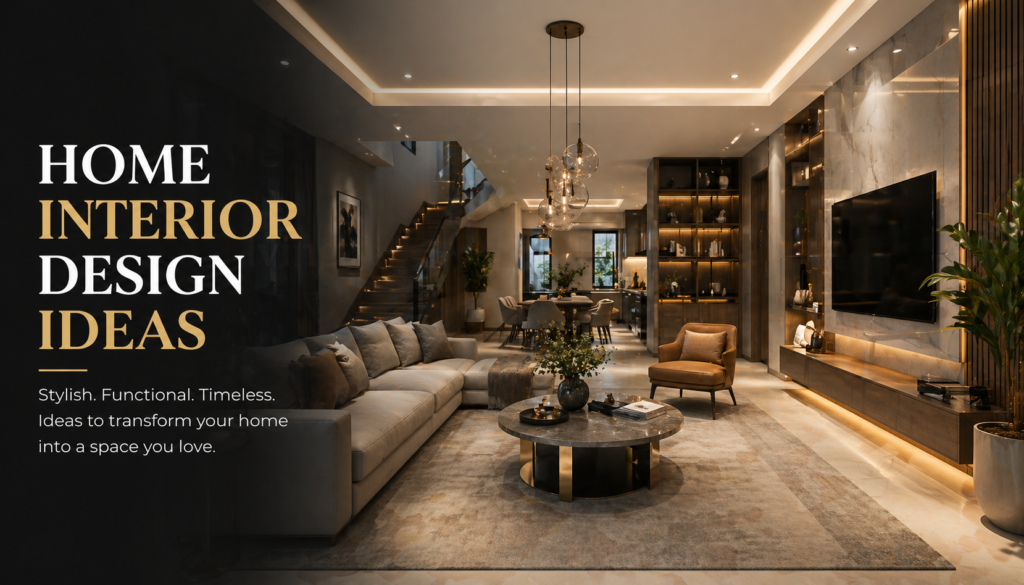
Your home is more than just a place to live—it’s a reflection of your personality, lifestyle, and taste. Modern home interior design goes beyond aesthetics; it focuses on creating spaces that are functional, comfortable, and visually appealing. From living rooms to bedrooms, kitchens to bathrooms, every corner of your home should tell a story. A well-designed interior not only enhances the look of your home but also improves the way you experience everyday living. 1. Smart Space Planning – The Foundation of Interior Design Great interior design begins with smart space planning. Understanding how each area will be used helps create a layout that is both functional and efficient. Key principles: Open layouts are trending, especially in modern homes, as they create a sense of spaciousness and allow natural light to flow freely. 2. Choosing the Right Color Palette Colors set the mood of your home. A well-balanced palette can make your interiors feel warm, inviting, and sophisticated. Trending color ideas: The key is to maintain harmony—too many colors can overwhelm the space, while a controlled palette enhances elegance. 3. Furniture Selection – Style Meets Comfort Furniture plays a major role in defining your interior style. Modern homes focus on furniture that is both stylish and functional. Tips for choosing furniture: Minimal, clean-lined furniture with premium materials creates a sophisticated look. 4. Lighting – The Game Changer Lighting can completely transform the look and feel of your home. Layered lighting approach: Warm lighting creates a cozy environment, while focused lighting adds depth and highlights key design elements. 5. Textures & Materials – Adding Depth A well-designed home combines different textures and materials to create visual interest. Popular combinations: Mixing textures adds richness and prevents the space from feeling flat or boring. 6. Minimalism – Less is More Minimalist interiors are trending because they create a clean and clutter-free environment. Key features: Minimalism doesn’t mean empty—it means intentional design. 7. Smart Storage Solutions Storage is essential for maintaining a clean and organized home. Ideas: A clutter-free home always feels more spacious and luxurious. 8. Statement Elements – Creating a Focal Point Every room should have a focal point that draws attention. Examples: Statement elements add personality and make your space stand out. 9. Technology Integration – Smart Living Modern homes are becoming smarter with technology. Features to consider: Technology enhances convenience while maintaining a sleek design. 10. Personalization – Make It Yours Your home should reflect who you are. Adding personal touches makes your space unique and meaningful. Ideas: A personalized home feels more comfortable and inviting. Conclusion: Designing a Home That Works for You Home interior design is about creating a balance between style, comfort, and functionality. By focusing on layout, colors, furniture, lighting, and personalization, you can transform your home into a space that truly feels yours. Whether you prefer a modern minimalist look or a luxurious aesthetic, the key is thoughtful planning and attention to detail. A well-designed home doesn’t just look beautiful—it enhances your everyday life.
Modular Luxury – Redefining the Indian Kitchen & Utility
Interior design adhura hai agar hum ghar ke sabse mehnat wale hisse—Kitchen—ki baat na karein. Design Lense mein hum “Modular Kitchen” ko ghar ka engine maante hain. The Ergonomic Kitchen Layout: The Hidden Utility: Kitchen ke saath judi hui ek choti “Utility Room” jahan washing machine aur cleaning supplies honi chahiye. Design Lense hamesha “Smart Storage” par zor deta hai—jaise ki “Pantry Pull-outs” aur “Corner Carousels” jo har ek kone ka istemal karte hain.
The Maximalist Color-Block – Bold, Brave, and Beautiful
Agar aapko lagta hai ki “Grey aur Beige” boring hain, toh Maximalism aapke liye ek utsav (festival) hai. Yeh style un logon ke liye hai jo apni zindagi “Large Size” mein jina pasand karte hain. Ismein koi rules nahi hain, sirf emotions hain. Mastering the Chaos: Color Blocking: Ismein hum deewaron ko alag-alag “Solid Blocks” mein paint karte hain. Maslan, ek deewar Deep Teal aur dusri Mustard Yellow. Yeh contrast ek aisi energy paida karta hai jo creative logon ke liye behtareen hai.
The Smart Sustainable Home – Tech with a Soul
Future design sirf dikhne ke baare mein nahi hai, balki “Efficiency” ke baare mein hai. Ek aisa ghar jo apna khayal khud rakh sake—yeh Design Lense ka vision hai. Sustainable design ka matlab hai ki hum environment ko nuksan pahunchaye bina ek luxury life jiyein. Smart Home Integration: Eco-Friendly Materials: Hum “Recycled Wood” aur “Low-VOC Paints” (jinme chemical ki boo nahi aati) ka istemal karte hain. “Cork Flooring” aur “Bamboo Panels” na sirf durable hain balki dekhne mein bhi behad khoobsurat lagte hain. Yeh ghar sirf aapke liye nahi, balki aane wali peedhiyon ke liye bhi ek tohfa hai.
The Japandi Movement – The Fusion of East and West
Agar aapko “Minimalism” aur “Nature” dono pasand hain, toh Japandi aapke liye hai. Yeh Japanese simplicity aur Scandinavian functionality ka ek naya aur bahut hi popular mix hai. Design Lense mein humne dekha hai ki 2026 mein log “Noise” se door bhag rahe hain, aur Japandi wahi shaanti deta hai. The Core Philosophy: Japandi ka maqsad hai “Imperfection mein Perfection” dhoondna. Ismein hum bahut zyada polished cheezon ka use nahi karte. Space Management: Ismein hum “Negative Space” (khali jagah) ko utni hi ahmiyat dete hain jitni furniture ko. Har piece ko is tarah rakha jata hai ki rasta ekdum saaf ho. Design Lense hamesha suggest karta hai ki Japandi interior mein ek “Indoor Bamboo” ya “Bonsai Tree” zaroor rakhein jo aapko nature se jode rakhe.
The Neoclassical Revival – Timeless Elegance for Modern Homes
Neoclassical design un logon ke liye hai jo “Kings and Queens” ki tarah rehna pasand karte hain, lekin jinhein modern suvidhayein bhi chahiye. Yeh style purane zamane ki haryali aur aaj ke zamane ki safai (clean lines) ka ek perfect balance hai. Design Lense ke mutabiq, Neoclassical design ghar ko ek “Museum” jaisa nahi, balki ek “Palace” jaisa feel deta hai. The Grand Design Details: Furniture & Fabrics: Furniture hamesha “Carved Wood” ka hota hai lekin usmein upholstery modern hoti hai. Velvet aur Silk ka mixture cushions mein use kiya jata hai taaki touch karne par luxury feel ho. Design Lense suggest karta hai ki is style mein “Grand Chandeliers” ka hona anivarya hai jo ceiling se latak kar poore room ko ek royal vibe dein.