Design Lense

Author name: Archit Saini

Modular Kitchen Design Ideas

Modular Kitchen Design Ideas | Modern, Smart & Space-Saving Kitchens

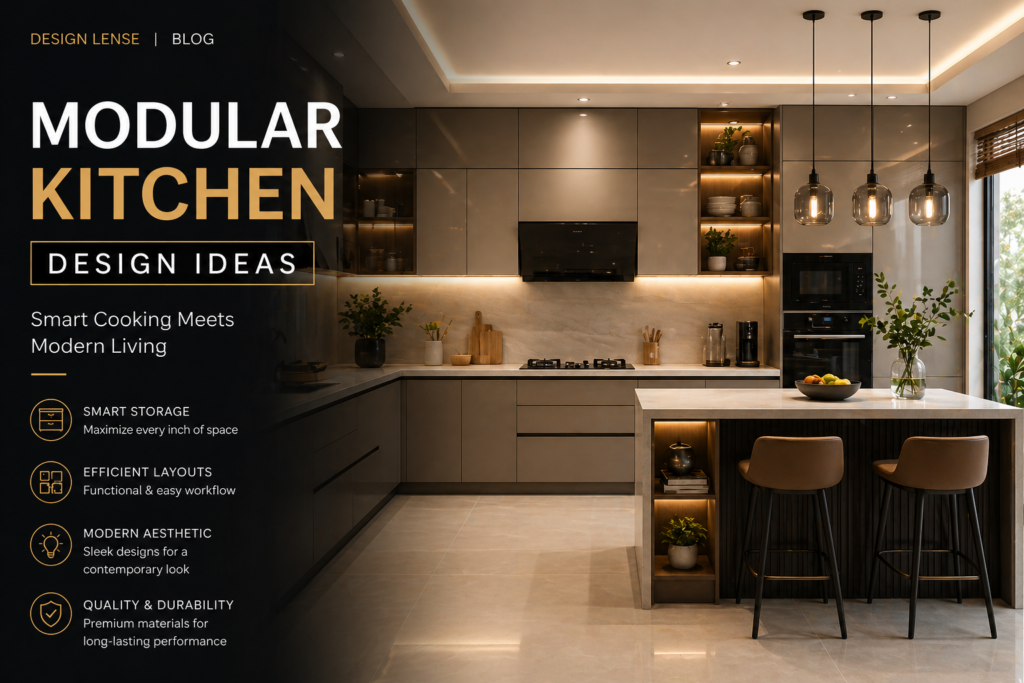
Introduction: The Heart of Modern Homes The kitchen is no longer just a cooking space—it’s the heart of the home. With evolving lifestyles, modular kitchen designs have become a must-have for modern homes, offering the perfect balance of style, efficiency, and functionality. A modular kitchen is designed with pre-made cabinet modules that are customized to fit your space and needs. Whether you have a compact apartment or a spacious home, modular kitchens provide smart solutions that enhance both aesthetics and usability. 1. Understanding Modular Kitchen Design A modular kitchen is built using standardized units or modules that include cabinets, drawers, shelves, and storage systems. Key advantages: It allows you to design your kitchen based on your lifestyle, cooking habits, and storage requirements. 2. Popular Modular Kitchen Layouts Choosing the right layout is crucial for functionality. L-Shaped Kitchen U-Shaped Kitchen Parallel Kitchen (Galley) Island Kitchen 3. Smart Storage Solutions – The Real Game Changer Storage is the backbone of any modular kitchen. Must-have storage ideas: Smart storage ensures everything is easily accessible and keeps your kitchen clutter-free. 4. Material Selection – Style Meets Durability The choice of materials defines both the look and lifespan of your kitchen. Popular materials: Durability + easy maintenance should always be a priority. 5. Color Schemes – Creating the Right Mood Modern kitchens are all about balanced color palettes. Trending options: Light colors make small kitchens look bigger, while darker shades add depth and luxury. 6. Lighting – Function + Ambience Lighting plays a crucial role in kitchen design. Types of lighting: LED strip lights under cabinets not only improve visibility but also add a premium touch. 7. Countertops & Backsplashes – Style + Function These elements define the visual appeal of your kitchen. Countertop options: Backsplash ideas: A stylish backsplash can become a statement feature. 8. Appliances Integration – Seamless Design Modern modular kitchens focus on built-in appliances. Examples: Integrated appliances maintain a clean and organized look. 9. Minimalist Design – Clean & Clutter-Free Minimalism is trending in kitchen interiors. Key features: A minimalist kitchen looks elegant and is easier to maintain. 10. Technology in Kitchens – Smart Living Smart kitchens are the future. Trending features: Technology enhances convenience and efficiency in daily use. Conclusion: Designing a Kitchen That Works for You A modular kitchen is not just about design—it’s about creating a space that makes your daily life easier and more enjoyable. By focusing on layout, storage, materials, and aesthetics, you can build a kitchen that is both functional and visually stunning. Whether you prefer a minimalist look or a luxurious finish, the key is smart planning and quality execution. A well-designed kitchen doesn’t just improve your home—it upgrades your lifestyle.
Home Interior Design Ideas

Introduction: Designing a Home That Feels Like You

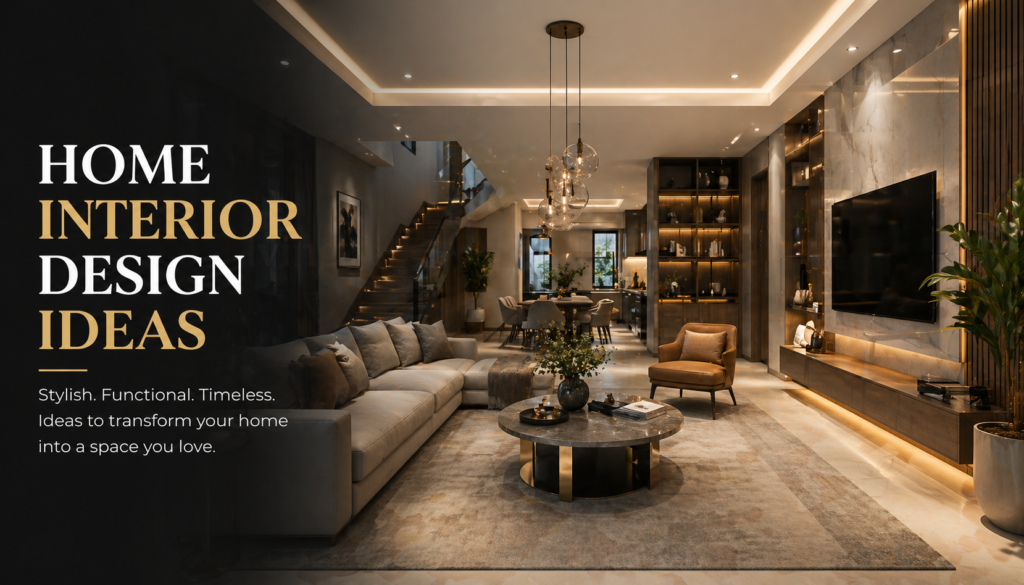
Your home is more than just a place to live—it’s a reflection of your personality, lifestyle, and taste. Modern home interior design goes beyond aesthetics; it focuses on creating spaces that are functional, comfortable, and visually appealing. From living rooms to bedrooms, kitchens to bathrooms, every corner of your home should tell a story. A well-designed interior not only enhances the look of your home but also improves the way you experience everyday living. 1. Smart Space Planning – The Foundation of Interior Design Great interior design begins with smart space planning. Understanding how each area will be used helps create a layout that is both functional and efficient. Key principles: Open layouts are trending, especially in modern homes, as they create a sense of spaciousness and allow natural light to flow freely. 2. Choosing the Right Color Palette Colors set the mood of your home. A well-balanced palette can make your interiors feel warm, inviting, and sophisticated. Trending color ideas: The key is to maintain harmony—too many colors can overwhelm the space, while a controlled palette enhances elegance. 3. Furniture Selection – Style Meets Comfort Furniture plays a major role in defining your interior style. Modern homes focus on furniture that is both stylish and functional. Tips for choosing furniture: Minimal, clean-lined furniture with premium materials creates a sophisticated look. 4. Lighting – The Game Changer Lighting can completely transform the look and feel of your home. Layered lighting approach: Warm lighting creates a cozy environment, while focused lighting adds depth and highlights key design elements. 5. Textures & Materials – Adding Depth A well-designed home combines different textures and materials to create visual interest. Popular combinations: Mixing textures adds richness and prevents the space from feeling flat or boring. 6. Minimalism – Less is More Minimalist interiors are trending because they create a clean and clutter-free environment. Key features: Minimalism doesn’t mean empty—it means intentional design. 7. Smart Storage Solutions Storage is essential for maintaining a clean and organized home. Ideas: A clutter-free home always feels more spacious and luxurious. 8. Statement Elements – Creating a Focal Point Every room should have a focal point that draws attention. Examples: Statement elements add personality and make your space stand out. 9. Technology Integration – Smart Living Modern homes are becoming smarter with technology. Features to consider: Technology enhances convenience while maintaining a sleek design. 10. Personalization – Make It Yours Your home should reflect who you are. Adding personal touches makes your space unique and meaningful. Ideas: A personalized home feels more comfortable and inviting. Conclusion: Designing a Home That Works for You Home interior design is about creating a balance between style, comfort, and functionality. By focusing on layout, colors, furniture, lighting, and personalization, you can transform your home into a space that truly feels yours. Whether you prefer a modern minimalist look or a luxurious aesthetic, the key is thoughtful planning and attention to detail. A well-designed home doesn’t just look beautiful—it enhances your everyday life.

Bathroom Design Ideas

Bathroom Design Ideas | Modern, Luxury & Small Bathroom Inspiration

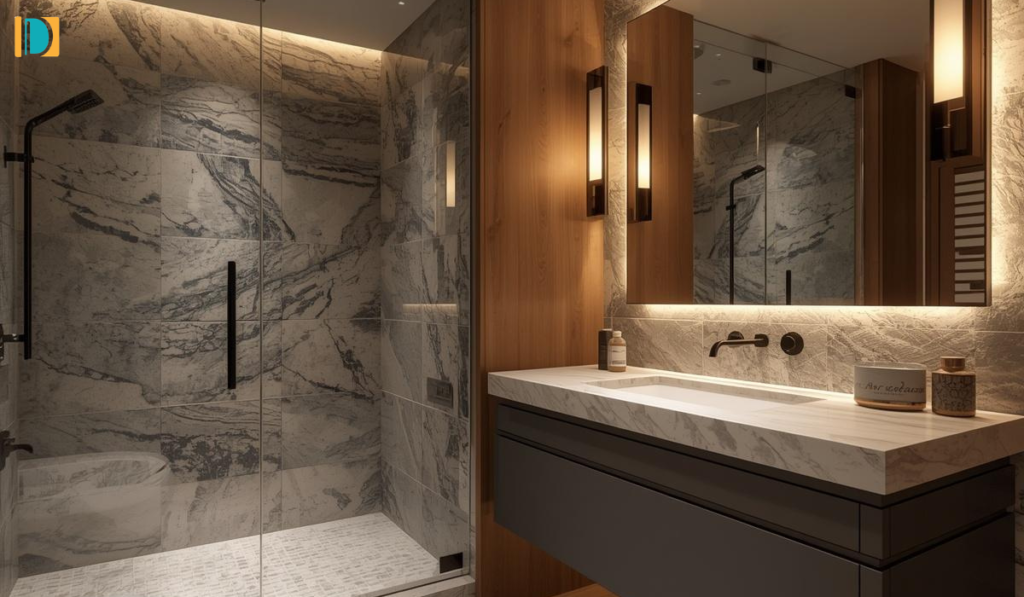
Introduction: More Than Just a Functional Space Bathrooms have evolved far beyond their basic function. Today, they are designed as personal sanctuaries—spaces where you can relax, refresh, and unwind. A well-designed bathroom blends aesthetics, comfort, and functionality, turning everyday routines into a premium experience. Modern bathroom design focuses on clean layouts, high-quality materials, smart storage, and a spa-like ambiance. Whether you’re designing a compact bathroom or a spacious master bath, the right approach can completely transform the space. 1. Smart Layout Planning – Maximizing Every Inch The foundation of any great bathroom design is an efficient layout. Especially in smaller homes, optimizing space is crucial. Key layout tips: Open layouts with glass partitions create a sense of spaciousness while maintaining practicality. 2. Minimalist Design – Clean, Modern & Timeless Minimalism is dominating bathroom trends. Clean lines, clutter-free surfaces, and simple color palettes create a calming and elegant environment. Features of minimalist bathrooms: Less is more—but every element should feel premium. 3. Luxury Materials – Elevating the Look Materials define the quality of your bathroom. Modern designs incorporate a mix of textures and finishes to create a high-end feel. Popular materials: Combining materials creates contrast and visual depth. 4. Walk-In Showers – The New Standard Walk-in showers are one of the biggest trends in modern bathrooms. They offer both style and convenience. Why they work: Frameless glass enclosures enhance the open, luxurious feel. 5. Statement Vanity Units – The Focal Point The vanity is often the centerpiece of a bathroom. A well-designed vanity adds both function and style. Trending vanity ideas: A bold vanity design instantly upgrades the entire space. 6. Lighting – Creating a Spa-Like Ambience Lighting plays a crucial role in setting the mood of your bathroom. Layered lighting includes: Warm LED lighting creates a relaxing, spa-like vibe. 7. Smart Storage Solutions – Clutter-Free Living A clutter-free bathroom always feels more luxurious. Smart storage ideas: Efficient storage keeps essentials organized without affecting aesthetics. 8. Smart Technology – The Future of Bathrooms Modern bathrooms are becoming smarter with technology integration. Trending features: These features enhance both convenience and hygiene. 9. Small Bathroom Ideas – Making Compact Spaces Look Bigger Not everyone has a large bathroom, but smart design can make small spaces feel bigger. Tips for small bathrooms: Glass partitions and minimal decor help create an illusion of space. 10. Personalization – Your Style, Your Space Your bathroom should reflect your personality. Add elements that make the space feel unique. Ideas: A personalized bathroom feels more inviting and comfortable. Conclusion: Designing Your Perfect Bathroom A well-designed bathroom is a perfect blend of luxury, comfort, and functionality. By focusing on layout, materials, lighting, and smart solutions, you can create a space that feels like a personal retreat. Whether you prefer a minimalist modern look or a luxurious spa-style bathroom, the key lies in thoughtful design and attention to detail. A great bathroom doesn’t just serve a purpose—it enhances your everyday life.

Wardrobe Design Ideas

Introduction: Beyond Just Storage

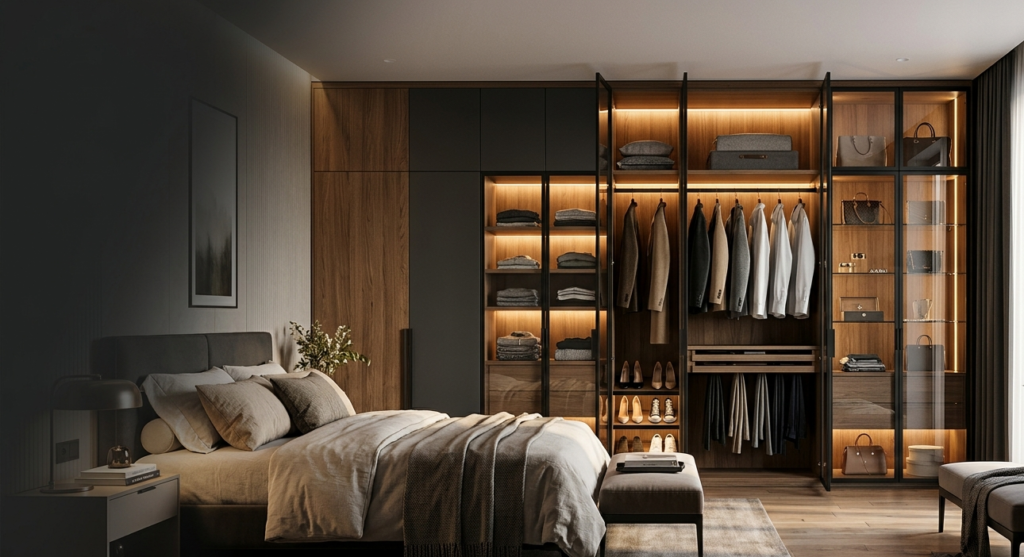
A wardrobe is no longer just a storage unit—it’s an essential part of modern interior design that defines both functionality and aesthetics. Today’s wardrobe designs are built to maximize space, enhance organization, and elevate the overall look of your bedroom. Whether you’re working with a compact room or a spacious master suite, the right wardrobe design can transform your daily routine. From sleek sliding wardrobes to luxurious walk-in closets, modern solutions focus on efficiency, elegance, and personalization. 1. Sliding Wardrobes – Space Optimization at Its Best Sliding wardrobes have become one of the most popular choices in modern homes, especially where space is limited. Unlike traditional hinged doors, sliding panels move horizontally, saving space and offering a clean, seamless look. They are perfect for compact bedrooms and urban apartments. Key benefits: Sliding wardrobes also allow for creative finishes, such as frosted glass or matte textures, adding a premium touch to your interiors. 2. Walk-In Closets – The Ultimate Luxury If space allows, a walk-in closet is the pinnacle of wardrobe design. It transforms storage into an experience. Walk-in wardrobes provide: Adding ambient lighting, mirrors, and a central island can further elevate the luxury feel. It’s not just storage—it’s your personal dressing sanctuary. 3. Modular Wardrobes – Flexibility & Functionality Modular wardrobes are designed for adaptability. They come with customizable sections that can be tailored to your needs. Why choose modular? You can adjust shelves, drawers, and hanging areas based on your lifestyle, making it a practical choice for modern homes. 4. Glass Wardrobes – Contemporary Sophistication Glass wardrobes bring a sleek and premium look to any bedroom. They create a sense of openness and add a modern aesthetic. Options include: Paired with LED lighting, glass wardrobes can turn your storage into a visual highlight. 5. Smart Interior Layout – The Hidden Power The inside of your wardrobe matters just as much as the outside. A well-designed interior includes: Smart layouts ensure everything has its place, making daily use more efficient and clutter-free. 6. Material Selection – Strength Meets Style The durability and look of your wardrobe depend heavily on the materials used. Common options: Choosing high-quality materials ensures longevity while maintaining a premium appearance. 7. Lighting – Elevating the Experience Lighting inside wardrobes is often overlooked but makes a huge difference. Types of wardrobe lighting: Good lighting not only enhances visibility but also adds a luxurious feel to your wardrobe. 8. Minimalist Wardrobes – Clean & Timeless Minimalism is a growing trend in wardrobe design. Clean lines, handle-less shutters, and neutral colors create a clutter-free look. Key features: Minimalist wardrobes blend seamlessly with modern interiors, offering both style and simplicity. 9. Kids’ Wardrobes – Designed for Growth Children’s wardrobes should be functional, safe, and adaptable. Consider: A growth-ready wardrobe evolves with the child, reducing the need for frequent redesigns. 10. Smart Hardware – The Backbone of Durability High-quality hardware ensures smooth operation and long-term reliability. Important components: Investing in premium hardware enhances both usability and durability. Conclusion: Designing the Perfect Wardrobe A well-designed wardrobe is a perfect blend of style, functionality, and innovation. Whether you prefer a space-saving sliding wardrobe, a luxurious walk-in closet, or a minimalist modular setup, the key lies in thoughtful planning and quality materials. Modern wardrobe design is all about creating a system that works for your lifestyle while enhancing the overall aesthetic of your home. When done right, it becomes more than just storage—it becomes an integral part of your daily living experience.

Uncategorized

Living Room Design – Where Style Meets Everyday Living

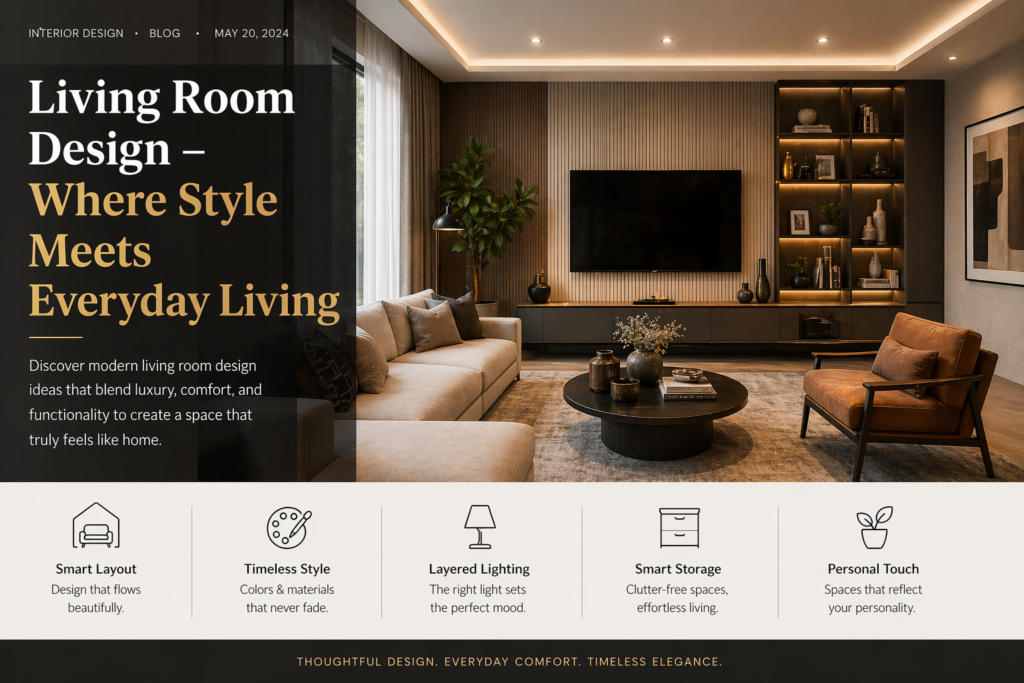
Introduction: The Heart of Every Home The living room is more than just a space—it’s the centerpiece of your home where comfort meets style, and everyday moments turn into lasting experiences. Whether you’re hosting guests, relaxing with family, or simply unwinding after a long day, your living room sets the tone for your entire living experience. In today’s design landscape, a well-crafted living room blends aesthetics with functionality, creating a space that feels both luxurious and livable. Modern living room design focuses on clean lines, smart layouts, and a harmonious mix of materials, colors, and textures. It’s not just about filling a space with furniture—it’s about creating an atmosphere that reflects your personality while maintaining a premium, cohesive look. 1. Smart Layout Planning – The Foundation of Design A great living room starts with an intelligent layout. The way furniture is arranged directly impacts how the space feels and functions. Open-plan layouts are increasingly popular as they create a sense of spaciousness and allow natural light to flow freely. Positioning your seating area around a focal point—such as a TV unit, fireplace, or statement wall—helps create a structured yet inviting environment. Key considerations include: A well-planned layout ensures your living room feels open, functional, and effortlessly stylish. 2. Choosing the Right Color Palette Color plays a crucial role in defining the mood of your living room. Modern interiors often lean towards neutral tones such as beige, grey, white, and taupe, which create a calm and sophisticated base. To elevate the design, you can introduce accent colors through cushions, rugs, or artwork. Deep tones like navy, forest green, or burnt orange add richness, while metallic accents in gold or black bring a touch of luxury. The goal is to maintain balance—too many colors can feel chaotic, while a controlled palette enhances elegance and visual harmony. 3. Furniture That Defines the Space Furniture is the backbone of any living room design. Investing in high-quality, well-designed pieces not only enhances aesthetics but also ensures long-term comfort and durability. A plush sofa often becomes the focal point, complemented by accent chairs, ottomans, and a statement coffee table. Modern designs favor clean silhouettes, low profiles, and premium materials like leather, velvet, or linen. When selecting furniture: A well-curated furniture setup instantly elevates the overall look and feel of your living room. 4. Lighting – Creating Depth and Ambience Lighting is one of the most powerful elements in interior design. A thoughtfully lit living room can transform the entire atmosphere. Layered lighting works best: Pendant lights, floor lamps, LED strips, and wall sconces can all be combined to create a dynamic lighting setup. Warm lighting tones add coziness, while focused lights create dramatic highlights and shadows. 5. Textures & Materials – Adding Visual Interest A luxurious living room is not just about how it looks—it’s also about how it feels. Mixing different textures and materials adds depth and character to the space. Combine elements like: For example, a wooden coffee table paired with a metal frame, layered on a textured rug, creates a rich and balanced aesthetic. The contrast between soft and hard materials makes the space visually engaging. 6. Minimalism with Personality Modern living room design embraces minimalism—but not at the cost of personality. The idea is to keep the space clean and uncluttered while adding carefully selected decor elements. Instead of overcrowding: Every item should serve a purpose—either functional or aesthetic. This approach creates a refined, premium look without overwhelming the space. 7. Smart Storage Solutions Clutter can instantly ruin even the most beautifully designed living room. Smart storage solutions help maintain a clean and organized look. Consider: Built-in cabinets and sleek storage units keep essentials out of sight while maintaining design continuity. A clutter-free space always feels more luxurious and spacious. 8. Statement Elements & Focal Points Every living room needs a focal point that captures attention. It could be: Statement elements add character and create a strong visual identity. However, balance is key—too many focal points can make the space feel chaotic. 9. Technology Integration for Modern Living Today’s living rooms are smarter than ever. Integrating technology seamlessly into design enhances convenience without compromising aesthetics. Smart TVs, concealed wiring, automated lighting, and sound systems can be incorporated into the design to create a clean and futuristic environment. The idea is to keep technology invisible yet accessible—blending it naturally into the overall design. 10. Personalization – Making It Yours At the end of the day, your living room should reflect your personality. Whether it’s through family photos, travel souvenirs, or custom decor pieces, adding personal touches makes the space truly yours. A well-designed living room is not just visually appealing—it tells a story. Conclusion: Designing a Space That Feels Like Home A perfect living room design is a balance between comfort, functionality, and style. It’s about creating a space that looks stunning but also feels warm and inviting. By focusing on layout, colors, furniture, lighting, and personalization, you can transform any living room into a premium living experience. Whether you prefer a modern minimalist look or a luxurious layered aesthetic, the key lies in thoughtful design and attention to detail. A well-designed living room doesn’t just enhance your home—it elevates your lifestyle.

Home Decor Trends Design Ideas

Sustainable Luxury – Beauty with a Conscience

Design Lense hamesha “Planet-First” approach ko promote karta hai. Sustainable decor ka matlab ab sirf “Jute bags” nahi hai; ab yeh high-end luxury ban chuka hai. The Material Revolution: Vintage Integration: Purani cheezon ko phenkne ke bajaye unhe “Upcycle” karein. Ek purani pital (brass) ki balti ko ek luxury planter mein badal dena hi Design Lense ki asli khoobsurti hai.

Home Decor Trends Design Ideas

Curved Architecture – Softening the Hard Edges

2026 mein sharp edges aur seedhi lines (straight lines) purani ho chuki hain. Ab zamana hai Curved Furniture aur Arched Doorways ka. Insaan ki aankhon ko curves zyada sukoon dete hain kyunki nature mein kuch bhi ekdum straight nahi hota. How to Bring Curves into Your Home: Design Lense Edge: Curves sirf furniture tak mahdood nahi hain; ceilings mein “Circular Cove Lighting” ka use karke aap poore kamre ko ek futuristic yet cozy look de sakte hain.

Home Decor Trends Design Ideas

Earthy Maximalism – The Return of Bold Nature

Pichle kuch saalon se “Grey aur White” ka trend chal raha tha, lekin 2026 mein Earthy Maximalism ne entry li hai. Iska matlab hai ki hum nature ke rangon ko thoda “Bold” tarike se istemal kar rahe hain. The Color Story: Is trend mein hum Terracotta, Deep Olive Green, aur Mustard Yellow jaise rangon ka use karte hain. Yeh rang ghar mein ek garmahat (warmth) paida karte hain jo modern minimalist gharon mein aksar missing hoti hai. Design Lense suggest karta hai ki ek deewar par deep forest green texture paint karein aur uske samne ek tan-leather sofa rakhein. Textural Layering: Maximalism ka matlab kachra jama karna nahi, balki textures ko layer karna hai. Ek jute rug ke upar ek soft velvet pouf, aur deewar par ek handmade macramé hanging—yeh mixture room ko ek “Global Traveler” vibe deta hai.

Scroll to Top